
Выбор параметров резания напрямую влияет на энергопотребление. Исследования на заготовках из стали марки 45 показали, что при глубине резания 0,75 мм, подаче 0,15 мм/об и скорости резания 75 м/мин токарный станок с ЧПУ работает с относительно низким энергопотреблением, сохраняя при этом качество заготовки. Для других материалов оптимальные настройки в одном исследовании позволили достичь энергопотребления в 1769,44 кДж при скорости съема материала 284,42 мм³/мин.
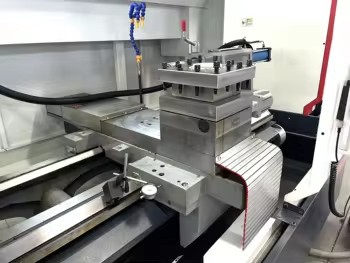
Зависимость между параметрами резания и энергопотреблением нелинейна. Увеличение скорости резания, как правило, сокращает время обработки, но может увеличить потребляемую мощность. Крайне важно найти правильный баланс для каждой комбинации материала и инструмента. Многие современные CAM-системы теперь включают функции оценки энергопотребления, которые помогают операторам выбирать наиболее эффективные параметры до начала резания.
Современные токарные станки с ЧПУ Оснащены встроенными энергосберегающими технологиями, которые позволяют значительно снизить потребление энергии без ущерба для производительности.
Режим Eco/Economy — это программное обеспечение, интегрированное в систему управления, которое автоматически снижает потребление электроэнергии и сжатого воздуха в режиме холостого хода, вместо того чтобы постоянно поддерживать питание серводвигателей. Только эта функция может сократить потребление энергии в режиме холостого хода на 30-40%.
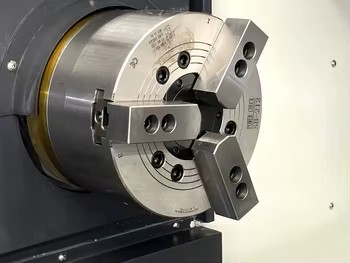
Функции снижения энергопотребления в режиме ожидания, такие как отключение питания сервомотора оси Z в режиме ожидания, могут снизить общее энергопотребление в этом режиме на 16% по сравнению с обычными моделями. Некоторые машины также автоматически отключают вентиляторы охлаждения и гидравлические насосы во время длительных периодов простоя.
Оптимизация использования сжатого воздуха использует интеллектуальные системы для целенаправленного использования воздуха только там и тогда, когда это необходимо, что позволяет снизить потребление до 60%. Некоторые машины снижают базовое пневматическое давление с 0,5 МПа до 0,4 МПа, что обеспечивает снижение потребности в сжатом воздухе на заводе на 20% без ущерба для мощности привода. Сжатый воздух является одним из самых дорогостоящих энергоносителей на заводе, поэтому это решение представляет собой значительную возможность для экономии средств.
Исследования показывают, что потенциал экономии энергии при механической обработке огромен, но многие предприятия сосредотачиваются только на мощности резания, игнорируя энергию, потребляемую в операциях, не связанных с резанием.
Минимизация времени простоя имеет решающее значение, поскольку потребление электроэнергии в режиме ожидания, при распылении охлаждающей жидкости, вращении шпинделя и подаче может значительно различаться в зависимости от станка. В некоторых случаях на операции, не связанные с резкой, приходится более 50% от общего энергопотребления.
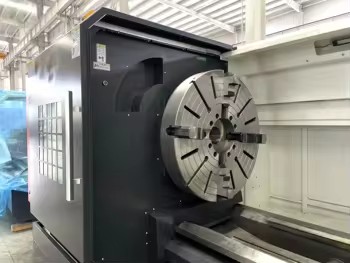
Работа в автоматическом режиме или без участия оператора, когда станки работают круглосуточно с минимальным присутствием персонала, позволяет максимизировать производительность на единицу потребляемой энергии. Станок, работающий ночью без вмешательства оператора, производит детали, потребляя при этом лишь незначительно больше энергии, чем в обычные смены.
Сократите время простоя при переналадке, используя станки с инструментальными магазинами и автоматическими устройствами смены инструментов, чтобы исключить простои и избежать ненужного потребления энергии, связанного с многократными запусками и прогревом станков.
Современные приводные системы преобразуют энергию торможения обратно в электросеть, вместо того чтобы тратить ее в виде тепла. Это особенно эффективно в машинах с многократными циклами ускорения и торможения, например, в тех, которые часто меняют инструменты или быстро меняют положение.
В режиме ECO двигатель автоматически регулирует рабочую точку в диапазоне частичной нагрузки для снижения потерь. Это особенно полезно, когда станок работает не на полную мощность, что часто встречается в цехах с переменной нагрузкой.
Оптимизированные импульсные схемы снижают системные потери, температуру и шум. Эти передовые методы управления двигателем повышают общую эффективность привода на 5-10% без ущерба для производительности обработки.
Энергоэффективность начинается с правильного выбора оборудования. Машина, слишком большая для выполняемой работы, будет потреблять избыточную энергию только для перемещения собственной массы. Машина, слишком маленькая, будет работать дольше, увеличивая общее энергопотребление на единицу детали.
Сократите время простоя, используя станки с автоматическими инструментальными магазинами, чтобы исключить задержки, связанные с переналадкой. Каждый час простоя – это не только потерянное производство, но и энергия, потребляемая станком в ожидании.
Две независимые опоры позволяют выполнять внешнюю и внутреннюю обработку без перерывов в производстве. Это снижает необходимость в многократных переналадках и связанные с этим потери энергии.
Пульсационные конвейеры для стружки работают в прерывистом, а не непрерывном режиме, что позволяет экономить энергию и поддерживать чистоту оборудования. Только эта функция может снизить энергопотребление конвейера для стружки на 60-70% на машинах с длительными периодами простоя.
Хорошо обслуживаемая машина работает эффективнее. Загрязненные системы охлаждения заставляют насосы работать с большей нагрузкой, увеличивая энергопотребление. Изношенные приводные ремни снижают эффективность трансмиссии. Низкий уровень гидравлической жидкости приводит к тому, что насосы работают дольше, чтобы достичь того же давления.
Регулярная очистка и замена фильтров обеспечивают максимальную эффективность работы систем охлаждения. Правильное натяжение ремней поддерживает эффективную передачу мощности. Чистые электрические контакты снижают сопротивление и тепловыделение в системах управления.
Эффективность этих стратегий подтверждается данными, полученными в реальных условиях. Исследования на заготовках из стали марки 45 позволили определить оптимальные параметры для повышения энергоэффективности. В одном из исследований оптимальные настройки обеспечили потребление энергии в 1769,44 кДж при скорости удаления материала 284,42 мм³/мин.
Функции снижения энергопотребления в режиме ожидания позволяют уменьшить общее энергопотребление в этом режиме на 16% по сравнению с обычными моделями. Оптимизация подачи сжатого воздуха может снизить потребление до 60%, а некоторые машины позволяют добиться снижения потребности в сжатом воздухе на 20% за счет уменьшения базового пневматического давления с 0,5 МПа до 0,4 МПа.
В1: Какой фактор оказывает наиболее существенное влияние на потребление энергии?
Оптимизация параметров резки является наиболее контролируемым фактором. Исследования показывают, что операции, не связанные с резкой, часто потребляют больше энергии, чем фактическое удаление материала, поэтому сокращение времени простоя и оптимизация использования станка одинаково важны.
В2: Являются ли токарные станки с ЧПУ более энергоэффективными, чем обычные токарные станки?
Да. Исследования показывают, что станки с ЧПУ, как правило, имеют более стабильное энергопотребление и более высокую энергоэффективность, чем традиционные токарные станки, в основном благодаря их способности автоматически оптимизировать параметры резки.
Вопрос 3: Как интеллектуальная система управления воздушным потоком экономит энергию?
Направляя использование сжатого воздуха только туда и тогда, когда это необходимо, системы могут сократить потребление воздуха до 60%. Это важно, поскольку сжатый воздух является одной из самых дорогостоящих коммунальных услуг на заводе, часто составляя 10-15% от общего энергопотребления предприятия.
В4: Каковы преимущества рекуперативного торможения на токарных станках с ЧПУ?
Вместо преобразования энергии торможения в тепло (которое теряется), современные приводные системы возвращают её в электросеть, снижая общее потребление электроэнергии. Это особенно эффективно для машин с частыми циклами разгона и торможения.
В5: Сколько энергии можно сэкономить, сократив время простоя?
В некоторых случаях операции, не связанные с резкой, могут составлять более 50% от общего энергопотребления. Сокращение времени простоя за счет более эффективного планирования, автоматической смены инструмента и работы без участия оператора может снизить общее энергопотребление на 20-30% без изменения каких-либо параметров резки.
Оставить сообщение
Отсканируйте и отправьте в WeChat/WhatsApp :