
Выбор квалифицированного специалиста токарный станок с ЧПУ Для металлообрабатывающих предприятий выбор токарного станка имеет решающее значение. Правильно подобранный станок повышает эффективность, обеспечивает стабильную точность и снижает долгосрочные производственные затраты, в то время как неправильный выбор приводит к низкой производительности и напрасным инвестициям. В этом руководстве представлены основные советы по выбору, практические сравнения, примеры промышленного применения, кейсы клиентов и часто задаваемые вопросы, которые помогут вам совершить экономически выгодную покупку.
1. Основные параметры закупки токарных станков с ЧПУ
Перед запросом информации и сравнением цен подтвердите ваши фактические потребности в обработке, чтобы избежать недостаточной производительности или избыточных отходов. Сначала определите характеристики заготовки, включая максимальный диаметр токарной обработки, длину и обрабатываемые материалы, такие как углеродистая сталь, нержавеющая сталь, алюминий и латунь. Подберите мощность станка и конфигурацию резки в соответствии с вашими материалами и режимами производства, будь то массовое производство или мелкосерийное изготовление на заказ.
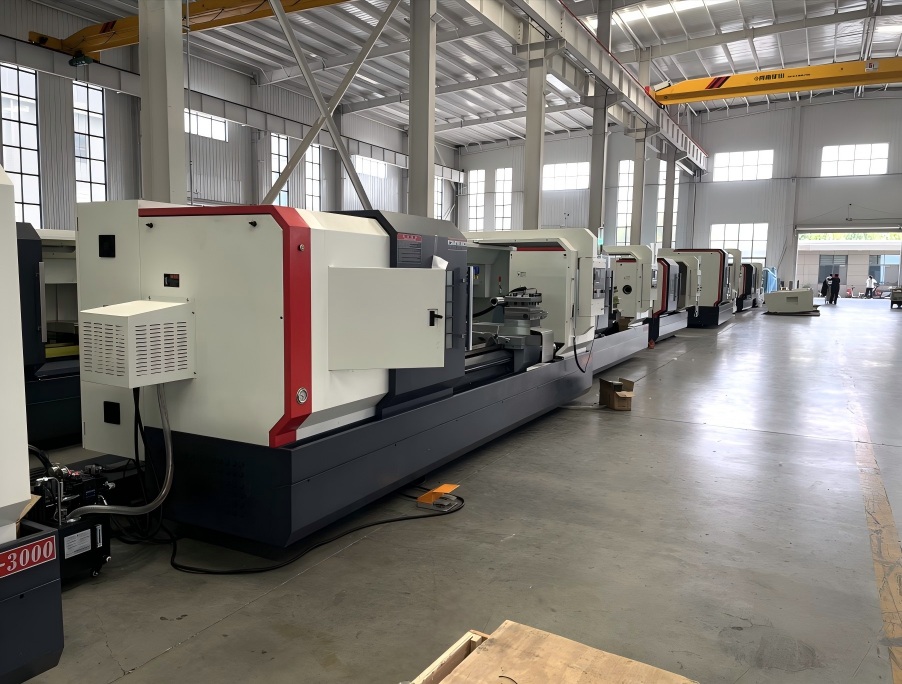
Уточните требования к точности ваших деталей. Стандартные механические детали соответствуют общепринятым стандартам точности, в то время как автомобильные и гидравлические комплектующие требуют высокоточной обработки. Выберите токарный станок с ЧПУ и приводным инструментом, если вам необходимы интегрированные процессы токарной обработки, нарезания канавок, резьбонарезки и фрезерования.
Выберите подходящую конструкцию станка в зависимости от сценария использования. Токарные станки с ЧПУ и наклонной станиной отличаются высокой жесткостью, плавным удалением стружки и стабильной высокоскоростной работой, идеально подходящие для высокоточного серийного производства. Токарные станки с ЧПУ и плоской станиной предлагают больший диаметр обработки, более высокую производительность резки и более низкую стоимость, идеально подходящие для обработки крупногабаритных тяжелых заготовок и бюджетных решений.
Выбирайте распространенные системы ЧПУ, включая Siemens, FANUC, GSK и BOCI. Для снижения затрат на обучение операторов отдавайте предпочтение проверенным системам, а для высокотехнологичного и экспортного производства — импортным, надежным системам. Для автоматизированного производства можно также установить дополнительные устройства автоматизации, такие как податчики прутков и автоматические задние бабки.
2. Токарный станок с ЧПУ против ручного токарного станка – руководство по выбору
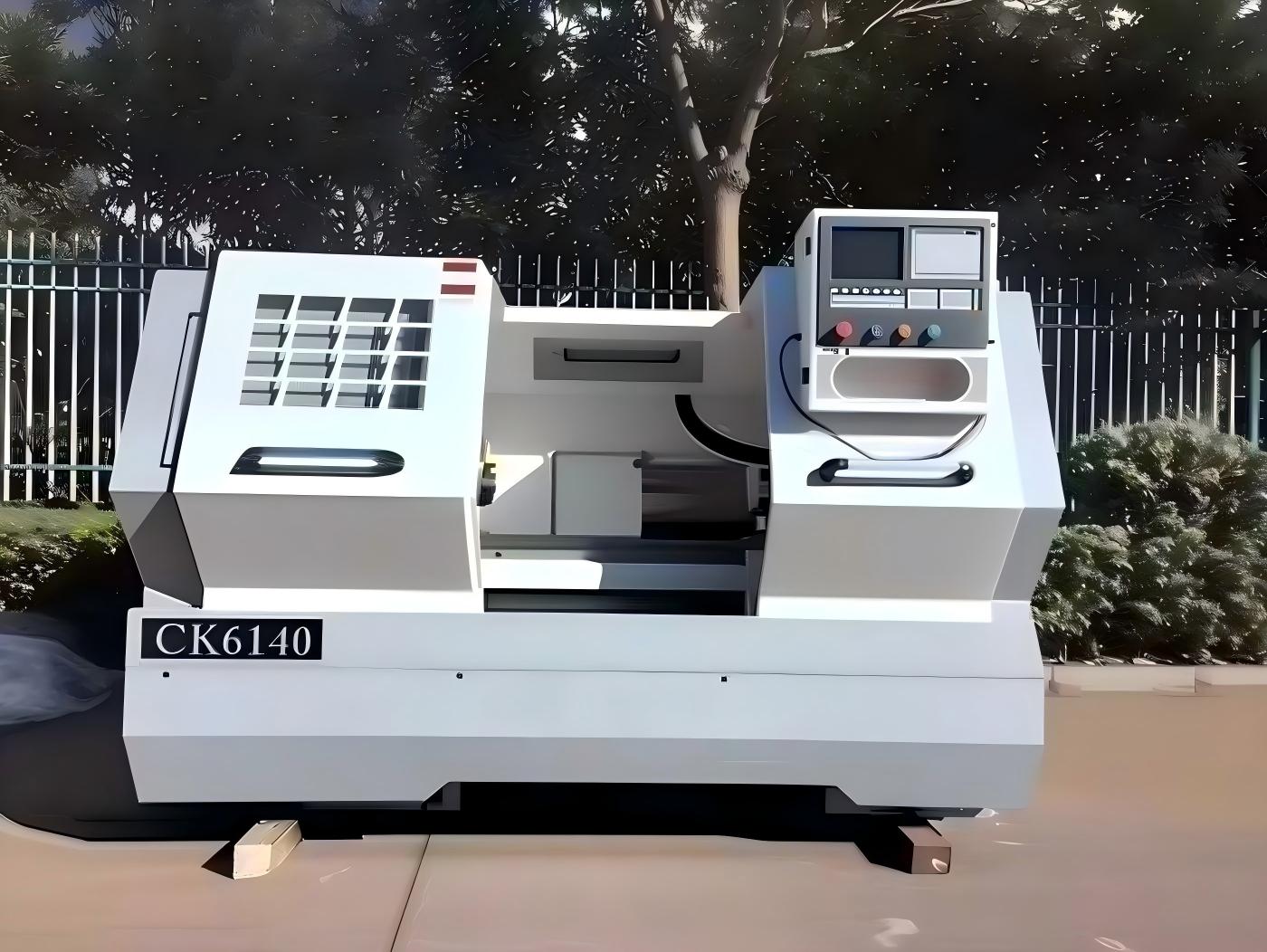
Большинство модернизаций заводского оборудования предполагает выбор между токарными станками с ЧПУ и ручными токарными станками, которые соответствуют совершенно разным производственным потребностям. Токарные станки с ЧПУ используют программируемую автоматическую обработку, обеспечивая стабильную точность обработки в пределах 0,005 мм и превосходную стабильность партий. Один оператор может управлять несколькими станками, что значительно экономит трудозатраты, делая их идеальными для массового производства высокоточных и сложных деталей.
Ручные токарные станки требуют ручного управления и опыта оператора, отличаются нестабильной точностью и низкой эффективностью. Они подходят только для пробного производства отдельных изделий, технического обслуживания оборудования и простых низкоточных операций с низкими первоначальными инвестициями. Для долгосрочного развития завода станки с ЧПУ являются наилучшим выбором для повышения конкурентоспособности на рынке.
3. Типичные промышленные применения
Токарные станки с ЧПУ используются в различных отраслях металлообработки. Для деталей автомобильной промышленности и новых источников энергии высокоточные токарные станки с наклонной станиной обеспечивают стабильную точность при длительном серийном производстве валов двигателей и корпусов клапанов. Для гидравлических и пневматических компонентов высокоточные токарные станки с ЧПУ гарантируют гладкую поверхность и высокую соосность.
Экономичные плоскостаночные токарные станки с ЧПУ широко используются в машиностроении для изготовления фланцев и валов большого диаметра. Высокоскоростные токарные станки с ЧПУ и автоматической подачей идеально подходят для массового производства латунных и нержавеющих фитингов, а усовершенствованные модели отвечают требованиям стабильной обработки коррозионностойких судостроительных комплектующих.
4. Пример успешного взаимодействия с клиентом
Вьетнамский металлообрабатывающий цех перешел с ручных токарных станков на современные из-за нестабильного качества продукции и недостаточной производительности для выполнения заказов на автодетали. Мы поставили наклонный токарный станок с ЧПУ Siemens с гидравлическим патроном, отвечающий их требованиям к обработке валов из алюминия и углеродистой стали диаметром 20–120 мм.
После ввода в эксплуатацию завод обеспечил контроль погрешности размеров в пределах 0,008 мм, повысил процент качества продукции и снизил трудозатраты на 40%. Это позволило успешно обеспечить долгосрочные заказы на автозапчасти на местном рынке. Мы поставили аналогичные надежные решения на станках с ЧПУ десяткам зарубежных производственных клиентов.
5. Часто задаваемые вопросы
В1: Какие материалы может обрабатывать стандартный токарный станок с ЧПУ?
A: Подходит для углеродистой стали, нержавеющей стали, алюминиевых сплавов, латуни и меди. Для сплавов высокой твердости доступны усиленные шпиндели и профессиональные инструменты.
В2: Токарный станок с ЧПУ с наклонной или плоской станиной?
A: Наклонная платформа для высокоточной, высокоскоростной массовой обработки; плоская платформа для обработки крупных деталей большой грузоподъемности и бюджетных проектов.
В3: Каков срок службы токарного станка с ЧПУ?
А: При регулярном техническом обслуживании срок службы достигает 10–15 лет при непрерывном промышленном производстве.
Вопрос 4: Предоставляете ли вы техническую поддержку за рубежом?
A: Да, мы предоставляем бесплатные дистанционные консультации, обучение программированию и послепродажное обслуживание по всему миру. Ввод в эксплуатацию на месте является дополнительной услугой.
В5: Какова ваша гарантийная политика?
A: Полная 12-месячная гарантия на станок, распространяющаяся на основные компоненты, такие как шпиндели, сервосистемы и контроллеры ЧПУ.
6. Заключительные советы по покупке
Перед размещением заказа предоставьте чертежи заготовки, необходимые материалы и требования к объему производства для получения рекомендаций по индивидуальной конфигурации. Подтвердите стандартные конфигурации, дополнительные принадлежности, сроки поставки и условия торговли, чтобы избежать скрытых затрат. Разумное соответствие модели станка и производственных требований является ключом к максимизации вашей прибыли от инвестиций.
Свяжитесь с нашей командой профессиональных инженеров, чтобы получить индивидуальное решение по токарному станку с ЧПУ и официальное коммерческое предложение в течение 24 часов.
Оставить сообщение
Отсканируйте и отправьте в WeChat/WhatsApp :